

IronNoggin
Well-Known Member
Didn't take long for Global to put their spin on this tragedy...
Few details were available Wednesday on the type of firearm used in Tuesday’s mass shootings in Tumbler Ridge, B.C., which left nine people dead, including the suspect, and many others injured.
RCMP Deputy Commissioner Dwayne McDonald said two firearms — a long gun and a modified handgun — were recovered by responding officers.
“Determining the origin of these firearms and what role they played in the shootings remains a significant part of the active and ongoing investigation,” McDonald told reporters in Surrey, B.C.
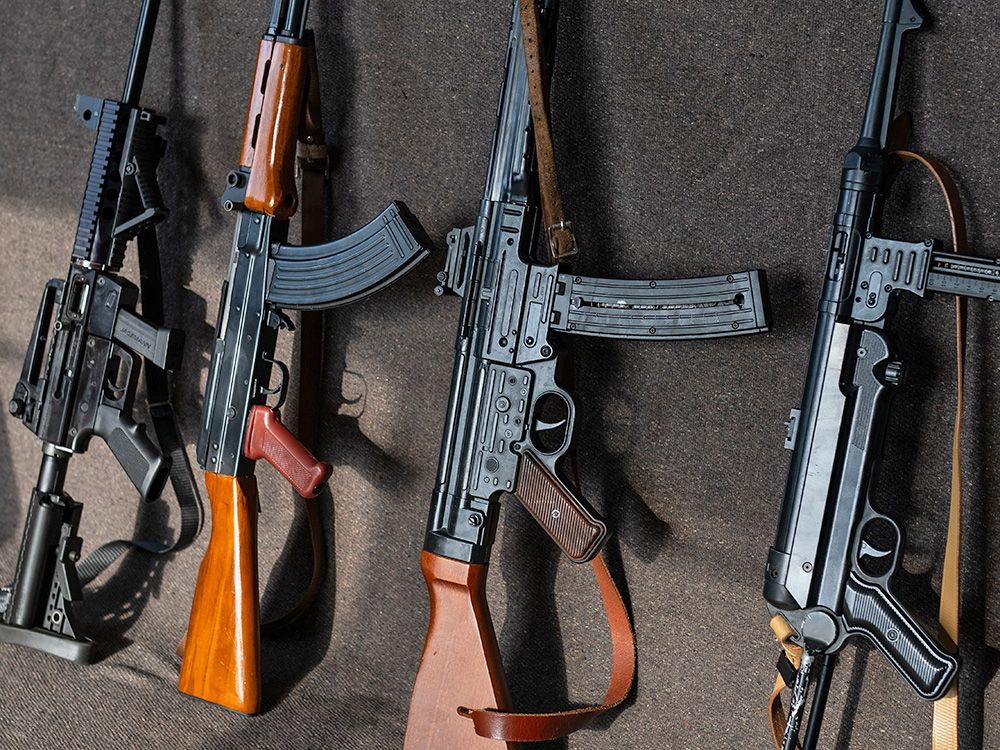
Since May 2020, the federal Liberals have outlawed about 2,500 types of firearms, including the AR-15 and Ruger Mini-14, on the basis they belong only on the battlefield.
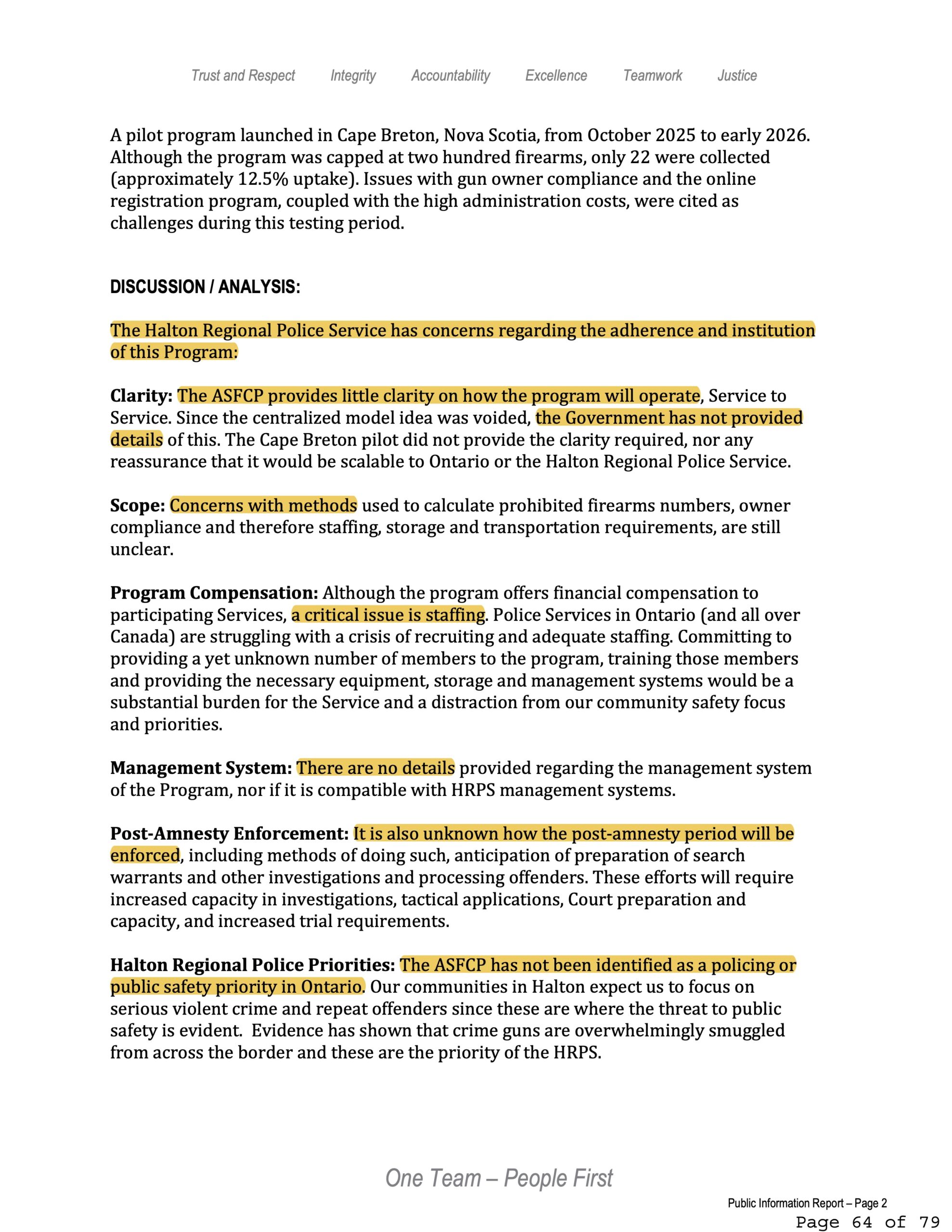
Prohibited firearms and devices must be disposed of — or deactivated — by the end of an amnesty period on Oct. 30.
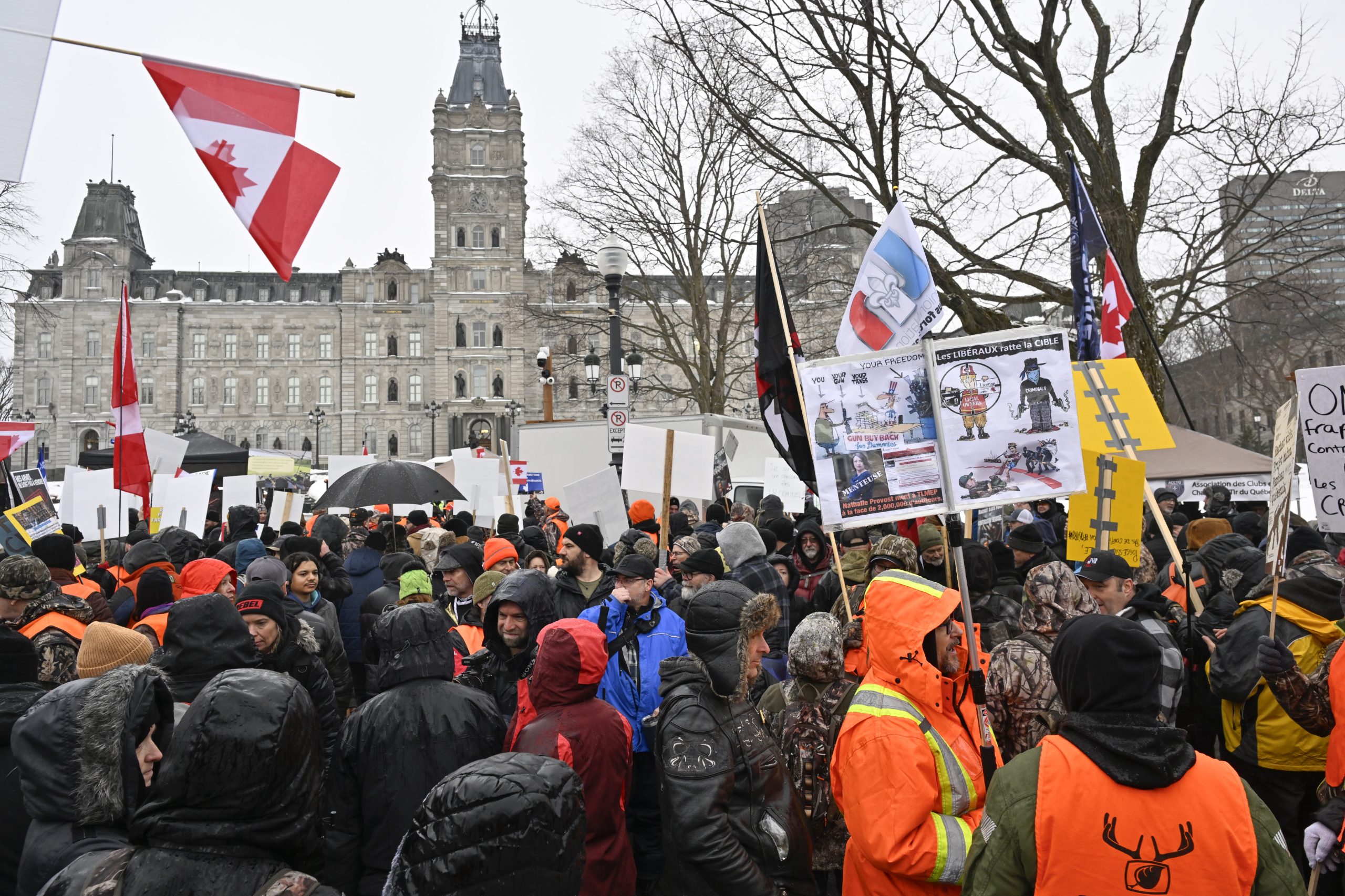
Firearms rights advocates and the federal Conservatives have accused the government of targeting law-abiding gun owners and have denounced the program as a poor use of taxpayer dollars.
Gun-control advocates have applauded the compensation program while criticizing the government for not banning new sales of the semi-automatic SKS rifle.
The SKS is commonly used in Indigenous communities to hunt for food. It also has been used in police killings and other high-profile shootings in recent years.
The government is carrying out a broad review of Canada’s firearms classification regime that will include consultations with Indigenous communities on the SKS.
The Liberals also have taken steps to restrict handguns, increase penalties for firearms trafficking, keep firearms out of the hands of domestic abusers and curb homemade ghost guns.
In 1989, a gunman armed with a Ruger Mini-14 and a hunting knife murdered 14 women at Montreal’s École Polytechnique.
In the early 1990s, federal legislation toughened penalties for gun-related crimes and ushered in new measures on acquiring and storing firearms.
The Liberal government of Jean Chrétien created a universal registry for firearms, including ordinary rifles and shotguns, in the mid-1990s.
The registry was lambasted by critics as a needless intrusion into the lives of farmers, hunters and sport shooters, and touted by others as a worthy tool for police who used it to glean crucial information.
Stephen Harper’s Conservatives introduced legislation to scrap universal registration, ending the requirement to register non-restricted firearms.

 globalnews.ca
Mass shootings have prompted Canadian gun laws to change over the decades
Mass shootings in Canada — including an April 2020 rampage in Nova Scotia — have spurred changes to gun laws in recent decades.Few details were available Wednesday on the type of firearm used in Tuesday’s mass shootings in Tumbler Ridge, B.C., which left nine people dead, including the suspect, and many others injured.
RCMP Deputy Commissioner Dwayne McDonald said two firearms — a long gun and a modified handgun — were recovered by responding officers.
“Determining the origin of these firearms and what role they played in the shootings remains a significant part of the active and ongoing investigation,” McDonald told reporters in Surrey, B.C.
Since May 2020, the federal Liberals have outlawed about 2,500 types of firearms, including the AR-15 and Ruger Mini-14, on the basis they belong only on the battlefield.
Prohibited firearms and devices must be disposed of — or deactivated — by the end of an amnesty period on Oct. 30.
Firearms rights advocates and the federal Conservatives have accused the government of targeting law-abiding gun owners and have denounced the program as a poor use of taxpayer dollars.
Gun-control advocates have applauded the compensation program while criticizing the government for not banning new sales of the semi-automatic SKS rifle.
The SKS is commonly used in Indigenous communities to hunt for food. It also has been used in police killings and other high-profile shootings in recent years.
The government is carrying out a broad review of Canada’s firearms classification regime that will include consultations with Indigenous communities on the SKS.
The Liberals also have taken steps to restrict handguns, increase penalties for firearms trafficking, keep firearms out of the hands of domestic abusers and curb homemade ghost guns.
In 1989, a gunman armed with a Ruger Mini-14 and a hunting knife murdered 14 women at Montreal’s École Polytechnique.
In the early 1990s, federal legislation toughened penalties for gun-related crimes and ushered in new measures on acquiring and storing firearms.
The Liberal government of Jean Chrétien created a universal registry for firearms, including ordinary rifles and shotguns, in the mid-1990s.
The registry was lambasted by critics as a needless intrusion into the lives of farmers, hunters and sport shooters, and touted by others as a worthy tool for police who used it to glean crucial information.
Stephen Harper’s Conservatives introduced legislation to scrap universal registration, ending the requirement to register non-restricted firearms.
Mass shootings have prompted Canadian gun laws to change over the decades | Globalnews.ca
While details on the firearm used in Tumbler Ridge, B.C. are not yet known, other mass shootings in Canada have spurred changes to gun laws in recent decades.
globalnews.ca